Background Check:
The Roman Church was very concerned about the Waldensian movement, begun by Peter Waldo. In Southern Europe, the Waldensians were becoming an alternative to the Roman Church and were becoming more and more directly opposed to that church. At first, the Roman Church sent armies out to physically destroy the Waldensians, but that only made the movement stronger. So they appointed a man named Dominicus to train people to do “evangelism” to the Waldensians. And they were also looking for someone else to lead an alternative movement for those who wished to live in voluntary poverty.
His Story:
 Francis was the son of a wealthy businessman in who sold cloth in Assisi, Italy. As a youth, he would sing and dance and go to parties as often as he could. He was taken to war as a soldier and held prisoner for a year. During that time, he had a powerful experience with God and determined to follow Jesus.
As he was praying in a broken-down chapel outside of Assisi, Francis heard the voice of God say, “Rebuild my temple, which is broken down.” After hearing this word, Francis took all the money he had to buy stones and mortar to rebuild the little chapel. When he found that he did not have enough resources, he began to take his fathers cloth and sell it without his father knowing, in order to get what he needed to rebuild the temple. When his father found out about this, he was furious.
He took his son to court, and accused him of theft. Standing before the church magistrate, Francis told him of his dedication to Christ and what God told him in the temple. His father accused him again of being a lazy, incompetent son. Francis looked at the witnesses in the court and said, “I am no longer the son of Bernardone, but instead I entrust myself wholly to God. I renounce everything that my earthly father ever gave me and I believe my heavenly father will provide.” With that, Francis stripped all of his clothes off and left them in a pile on the floor of the court, standing completely naked. The bishop quickly covered him and allowed him to stay in the little chapel he had been rebuilding.
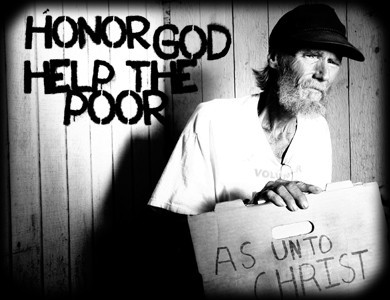
Francis would regularly stop by a church and read the words of Jesus. At one point he read that Jesus did not have a place to lay his head. So he determined that Jesus was a beggar, asking for his daily bread, so Francis did the same. But what he received he never kept only for himself. Rather, in obedience to Jesus, he would share with the poor whatever he had. He always determined to give to those who had less than he did. When some men gathered around him to follow him, he told them to sell all they had and to give to the poor, to be humble and poor like Jesus was.
Francis would always give everything he had to those who were needy. He preached the gospel to those who could not hear it. Because he believed that the animals were our brothers in creation, Francis would preach to birds and wolves, encouraging them to praise God. If he received a coat, if he saw a beggar who did not have one, he gave it away.
 WWJD
WWJD
Jesus loved Francis and spoke to him often. Francis was able to do some miracles because of his sacrifices. Jesus loved Francis because Francis loved Jesus so much and took him at his word. However, Francis also misunderstood much of what Jesus said. He was not a scholar, but a simple believer. And for that, even though he made many mistakes, Jesus blessed Francis.
The Final Word (of men)
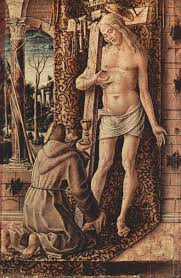
Francis became the most beloved Christian of his day. He refused to judge others, and so he was seen as a living saint, while not demanding that everyone live his life. Eventually his order, the Franciscans, wandered from pure poverty, and Francis resigned from leadership of the order. By the time he died, he had received from the Lord the stigmata, marks on his hands and feet, indicating unity with Jesus’ suffering.
Stories of Francis in the 12- and 1300s became as common as comic books today. Everyone knew about Francis’ super-human spirituality. Many Franciscan monks rejected the order Francis started and began their own, based on Francis’ words and life. They were called the Spirituali and they were condemned as heretics by the orthodox church for condemning that church as wealthy and arrogant. The Spirituali eventually were all killed off. But the Franciscan order developed into three orders, which still exist today.
A Word From Our Sponsor:
Sell your possessions and give to charity; make yourselves money belts which do not wear out, an unfailing treasure in heaven, where no thief comes near nor moth destroys. Luke 12:33
Or what king, when he sets out to meet another king in battle, will not first sit down and consider whether he is strong enough with ten thousand men to encounter the one coming against him with twenty thousand? Or else, while the other is still far away, he sends a delegation and asks for terms of peace. So then, none of you can be My disciple who does not give up all his own possessions. Luke 14:31-33
Helpful Hint: Inspiring Others to Follow Jesus
 It is not enough for the Faithful to obey God and serve Jesus alone. Rather, they led others to serve Him as well. The Faithful inspired many to dedicate themselves to Jesus, to be like the Faithful. This is how we often know about the Faithful—not by their works or their speech, but because of those who sought to be like them. Paul started churches. Anthony began a movement of monks. Peter Waldo began the Waldensian movement. Francis began the Franciscans. As we will see, Michael Sattler began the Anabaptists. Ignatius began the Jesuits. And George Fox began the Quakers. And on and on. It is not enough to have a personal relationship with God. We need to lead others to do the same. And if we inspire others to follow Jesus because of our lives, then we will be called one of the Faithful as well.
Check It Out:
The Teachings of St. Francis by John Michael Talbot
What Would Francis Do?
The Roman Church was very concerned about the Waldensian movement, begun by Peter Waldo. In Southern Europe, the Waldensians were becoming an alternative to the Roman Church and were becoming more and more directly opposed to that church. At first, the Roman Church sent armies out to physically destroy the Waldensians, but that only made the movement stronger. So they appointed a man named Dominicus to train people to do “evangelism” to the Waldensians. And they were also looking for someone else to lead an alternative movement for those who wished to live in voluntary poverty.
His Story:

As he was praying in a broken-down chapel outside of Assisi, Francis heard the voice of God say, “Rebuild my temple, which is broken down.” After hearing this word, Francis took all the money he had to buy stones and mortar to rebuild the little chapel. When he found that he did not have enough resources, he began to take his fathers cloth and sell it without his father knowing, in order to get what he needed to rebuild the temple. When his father found out about this, he was furious.
He took his son to court, and accused him of theft. Standing before the church magistrate, Francis told him of his dedication to Christ and what God told him in the temple. His father accused him again of being a lazy, incompetent son. Francis looked at the witnesses in the court and said, “I am no longer the son of Bernardone, but instead I entrust myself wholly to God. I renounce everything that my earthly father ever gave me and I believe my heavenly father will provide.” With that, Francis stripped all of his clothes off and left them in a pile on the floor of the court, standing completely naked. The bishop quickly covered him and allowed him to stay in the little chapel he had been rebuilding.
Francis would regularly stop by a church and read the words of Jesus. At one point he read that Jesus did not have a place to lay his head. So he determined that Jesus was a beggar, asking for his daily bread, so Francis did the same. But what he received he never kept only for himself. Rather, in obedience to Jesus, he would share with the poor whatever he had. He always determined to give to those who had less than he did. When some men gathered around him to follow him, he told them to sell all they had and to give to the poor, to be humble and poor like Jesus was.
Francis would always give everything he had to those who were needy. He preached the gospel to those who could not hear it. Because he believed that the animals were our brothers in creation, Francis would preach to birds and wolves, encouraging them to praise God. If he received a coat, if he saw a beggar who did not have one, he gave it away.

Jesus loved Francis and spoke to him often. Francis was able to do some miracles because of his sacrifices. Jesus loved Francis because Francis loved Jesus so much and took him at his word. However, Francis also misunderstood much of what Jesus said. He was not a scholar, but a simple believer. And for that, even though he made many mistakes, Jesus blessed Francis.
The Final Word (of men)
Francis became the most beloved Christian of his day. He refused to judge others, and so he was seen as a living saint, while not demanding that everyone live his life. Eventually his order, the Franciscans, wandered from pure poverty, and Francis resigned from leadership of the order. By the time he died, he had received from the Lord the stigmata, marks on his hands and feet, indicating unity with Jesus’ suffering.
Stories of Francis in the 12- and 1300s became as common as comic books today. Everyone knew about Francis’ super-human spirituality. Many Franciscan monks rejected the order Francis started and began their own, based on Francis’ words and life. They were called the Spirituali and they were condemned as heretics by the orthodox church for condemning that church as wealthy and arrogant. The Spirituali eventually were all killed off. But the Franciscan order developed into three orders, which still exist today.
A Word From Our Sponsor:
Sell your possessions and give to charity; make yourselves money belts which do not wear out, an unfailing treasure in heaven, where no thief comes near nor moth destroys. Luke 12:33
Or what king, when he sets out to meet another king in battle, will not first sit down and consider whether he is strong enough with ten thousand men to encounter the one coming against him with twenty thousand? Or else, while the other is still far away, he sends a delegation and asks for terms of peace. So then, none of you can be My disciple who does not give up all his own possessions. Luke 14:31-33
Helpful Hint: Inspiring Others to Follow Jesus
Check It Out:
The Teachings of St. Francis by John Michael Talbot
What Would Francis Do?